
-
Follow Us!

Seasonal Planning for COCA Farm
Essence: align calendars, soil, and infrastructure to local climate rhythms so plant windows, labor, and markets synchronize. Caerhys sits in a temperate, maritime zone with maritime influence that moderates extremes while generating variability from coastal winds and rainy periods. Microclimates on-site commonly occur where hedgerows, slope, aspect, and stone walls create sheltered pockets with earlier soil warming and reduced frosts. Historical frost records for similar southwest Wales sites show average last spring frost between April 20 and May 10 and first autumn frost between October 15 and November 5. Growing degree days using a 5°C base typically range from 1,200 to 1,600 annually, enough for a wide vegetable palette but requiring season-extension for heat-loving crops. Seasonal weather variability requires planning for late cold snaps, wet harvests in autumn, and late-summer dry spells.
Site Assessment and Soil Health
Accurate mapping of texture, structure, and drainage is foundational. Conduct a simple grid of hand auger holes to identify clay, silt, sand zones and map poorly drained patches and free-draining beds. Laboratory tests should record pH, phosphorus, potassium, magnesium, micronutrients, nitrate, and organic matter. Target ranges for productive vegetable plots: pH 6.0–7.0, organic matter 3–6 percent, and phosphorus and potassium at agronomic levels per British soil guidance. Organic amendment planning must be based on those results. Typical organic application rates for community-scale fields are 10–30 tonnes per hectare of well-matured compost annually on lighter soils, reduced on heavier soils. Compost placement and starter dressing for new beds should focus on surface incorporation and leaving root channels intact on established beds.
Crop Selection, Rotation and Allocation
Choose crop families and varieties that match microclimates and market windows. Prioritize hardy greens and brassicas for early and late seasons in exposed beds, and tender solanums and cucurbits in sheltered, early-warmed tunnels. Sourcing certified organic seed from reputable UK suppliers reduces introduction of seed-borne disease while encouraging on-farm seed saving for open-pollinated varieties with proven local adaptation.
Below is a practical month-by-month guide showing typical sowing and harvest windows for key crops in the Caerhys climate along with relative growing-degree-day (GDD) sensitivity. This grid supports allocation of beds and multi-year rotation planning by grouping families and avoiding back-to-back brassica or nightshade cropping.
| Crop | Main sowing months (outdoors) | Protected sowing / transplant months | Typical harvest months | GDD sensitivity (base 5°C) |
|---|---|---|---|---|
| Spinach | Mar–Aug | Feb–Mar under cover | Apr–Nov | Low (300–500) |
| Lettuce | Mar–Sep | Feb–Apr protected | May–Oct | Low–Moderate (350–600) |
| Carrot | Mar–Jun | — | Jun–Oct | Moderate (500–900) |
| Brassicas (cabbage, kale) | Feb–Apr | Jan–Mar for transplants | May–Nov | Moderate (600–900) |
| Potato (maincrop) | Mar–Apr (chitted) | — | Jul–Oct | Moderate–High (700–1,000) |
| Broad bean | Oct–Nov (overwinter) or Mar | — | May–Jun | Low–Moderate (400–700) |
| Tomato (protected) | Apr–May | Mar–Apr under heated staging | Jul–Oct | High (1,100+) |
| Courgette | Apr–May | Apr–May protected | Jul–Sep | High (900–1,200) |
Use the grid to assign beds by family and to design rotations that move solanums to a different block after brassicas and root crops after legumes to restore nitrogen balance.
Planting Calendars, Succession, and Season Extension
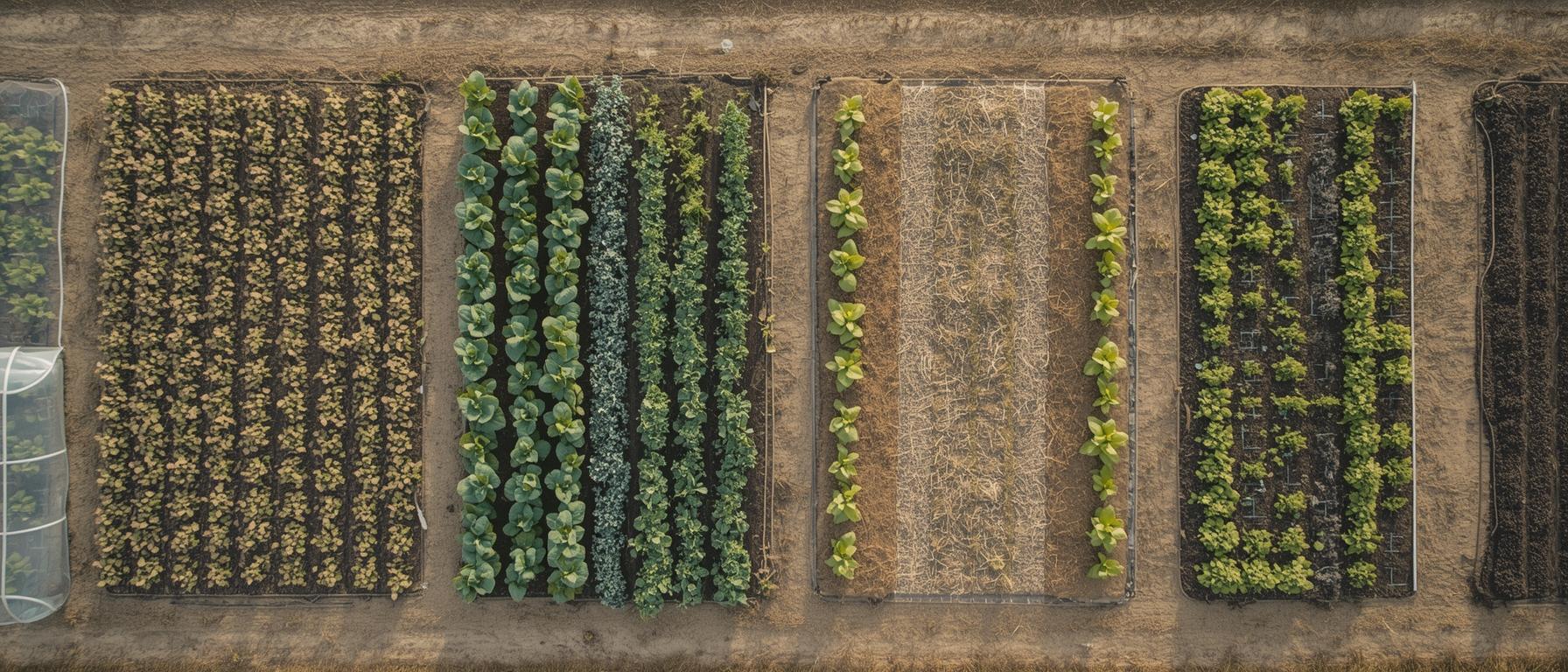
Develop month-by-month calendars that pair sow dates with target transplant and harvest windows. For Caerhys, direct-seeding of frost-tolerant crops begins in March while tender transplants wait until late April to early May in the open. Succession planting techniques include staggered sowings every two to three weeks for fast-maturing greens and relay sowing where a short-season crop fills the space before a maincrop matures. Protected structures extend windows; hoop houses and low tunnels bring forward tomato and pepper transplants by three to five weeks and extend autumn greens by the same margin. Row-cover and mulch strategies protect against late frosts and conserve moisture. Ventilation scheduling for tunnels is essential from May onward to prevent fungal pressure.
Water, Pests, Nutrients, Harvest and Labor

Seasonal water budgeting must account for peak evapotranspiration in July and August and heavy surface runoff in October. Drip irrigation reduces foliar wetness and improves efficiency for permanent beds while hand-watering and portable rigs suit staggered beds. Rainwater capture from roofs is highly effective in Wales; plan storage volumes to cover at least two weeks of peak-season demand. Pest and disease management should follow seasonal life cycles: overwintering aphid populations increase in spring, flea beetle peaks in early summer, and slugs are active in cooler wet periods. Cultural controls and biologicals are primary tactics: crop sanitation, trap crops, rotational breaks, and beneficial insect habitat.
Fertility scheduling aligns with crop demand. Apply baseline organic dressings in late winter, top-dress heavy feeders like brassicas and potatoes at early bulking, and use compost teas or soluble organic feeds for responsive foliar work. Harvest planning must map peak-quality dates and cooling capacity. On-farm wash and cool facilities need capacity for busiest weeks in July and September. Seasonal labor forecasting should convert planting and harvest windows into weekly person-hours and schedule community workdays to concentrate tasks like bed prep, transplanting, and large harvests.
Market Alignment, Risk, and Long-Term Planning
Align CSA shares and market offerings with peak windows shown earlier. Price across peak and shoulder seasons recognizing storage crops such as potatoes and brassicas will support winter income. Risk planning requires backup crops, staggered plantings, and financial buffers for weather extremes. Certification timelines for organic acres demand records of inputs and a two-year transition plan where applicable. Scale expansion should proceed through phased trials and monitoring, with end-of-season reviews that adjust variety choice, rotation, and infrastructure investments. Continuous tracking of phenology and frost dates will keep COCA resilient to shifting seasonal baselines.