-
Become a Member
Join today and start getting your weekly share of vegetables -
Recent Posts
- Burns Night Supper and Ceilidh, Feb 3rd.
- Xmas double harvest this Friday!
- Carrot Ragout recipe
- Fantastic French Beans
-
Sign up for information about COCA
-
-
-
Follow Us!

Composting Practices for COCA Gardens
Composting converts household and garden organics into a living soil amendment that improves structure, water retention, and nutrient availability. Healthy compost increases soil microbial diversity and reduces the need for synthetic fertilizers, which aligns with Caerhys Organic Community Agriculture (COCA) priorities to build resilient local food systems. Composting also reduces methane emissions from landfill-bound food waste and sequesters carbon in soil when applied consistently. For COCA members, household composting lowers disposal costs, supplies free soil amendments for community plots, and strengthens neighborhood resilience through shared materials and skills.
Choosing the Right Composting Method
Selecting the optimal approach depends on available space, time commitment, and crop goals. Hot composting is best for rapid, pathogen-free processing where large volumes of mixed material are available. Cold composting requires minimal effort and suits woody yard waste and slow-return gardeners. Vermicomposting fits balconies, small kitchens, and intensive vegetable beds because worm castings are highly concentrated. Bokashi fermentation accepts cooked foods and meat residues not suitable for traditional piles but requires post-fermentation soil integration. Trench and sheet practices are the most passive options for direct soil building in beds and orchards and work well for year-round in-place nutrient cycling.
Materials and Feedstocks
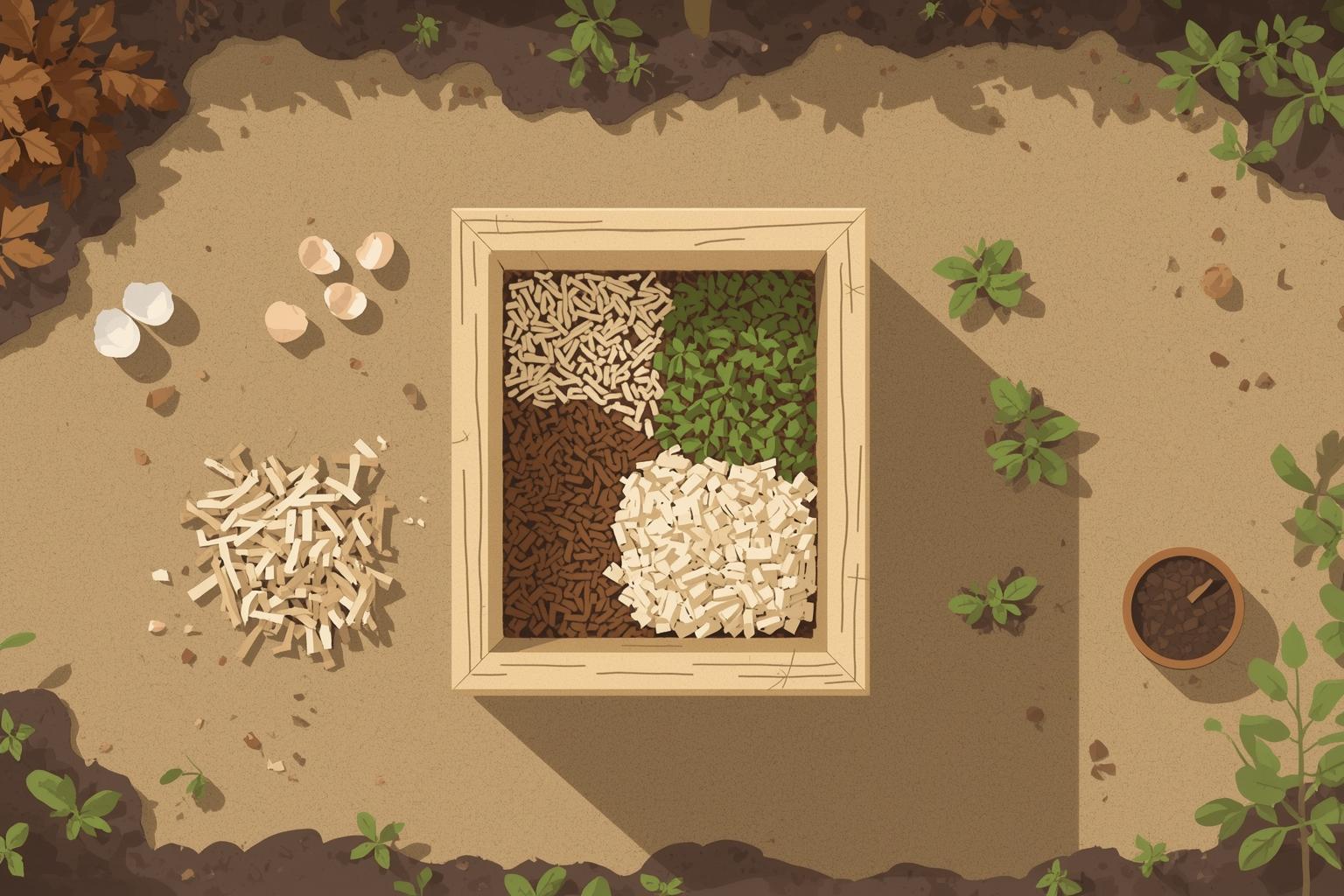
A balanced mix of carbon-rich "browns" and nitrogen-rich "greens" accelerates decomposition and prevents odors. Preparation of materials matters: chop woody inputs, dry leaves shred easily, and fresh manures should be aged or mixed to avoid ammonia spikes. The following chart clarifies common inputs, their typical carbon-to-nitrogen range, and suitability for different systems.
| Input | Category | Approx. C:N Ratio | Preparation / Notes | Best for |
|---|---|---|---|---|
| Dry leaves | Carbon | 40–80:1 | Shred where possible; store dry | Hot, cold, trench, sheet |
| Straw | Carbon | 50–100:1 | Avoid contaminated bedding | Hot, vermiculture bulk |
| Grass clippings | Nitrogen | 12–25:1 | Mix thin layers to avoid matting | Hot, cold, sheet |
| Kitchen veg scraps | Nitrogen | 15–30:1 | Chop to speed breakdown | Hot, vermicompost, bokashi |
| Coffee grounds | Nitrogen | 20:1 | Adds magnesium and nitrogen | Vermicompost, hot |
| Wood chips | Carbon | 200–400:1 | Best aged or used in layer form | Cold, chip composting |
| Cow, horse manure | Nitrogen | 10–25:1 | Age 3–6 months; avoid fresh in beds | Hot, cold, trench |
| Pet feces (dogs) | Risk | Variable | Avoid in edible garden unless thermally treated | Not for raw compost |
| Diseased plant material | Risk | Variable | Compost only if hot pile reaches 65°C sustained | Hot only with monitoring |
Kitchen scraps should exclude pet feces and high-salt items. Diseased plants and persistent weeds require hot pile treatment at sustained high temperature or alternative disposal. Animal manures boost nitrogen but need proper curing to reduce pathogen risk.
Building and Managing a Hot Compost Pile
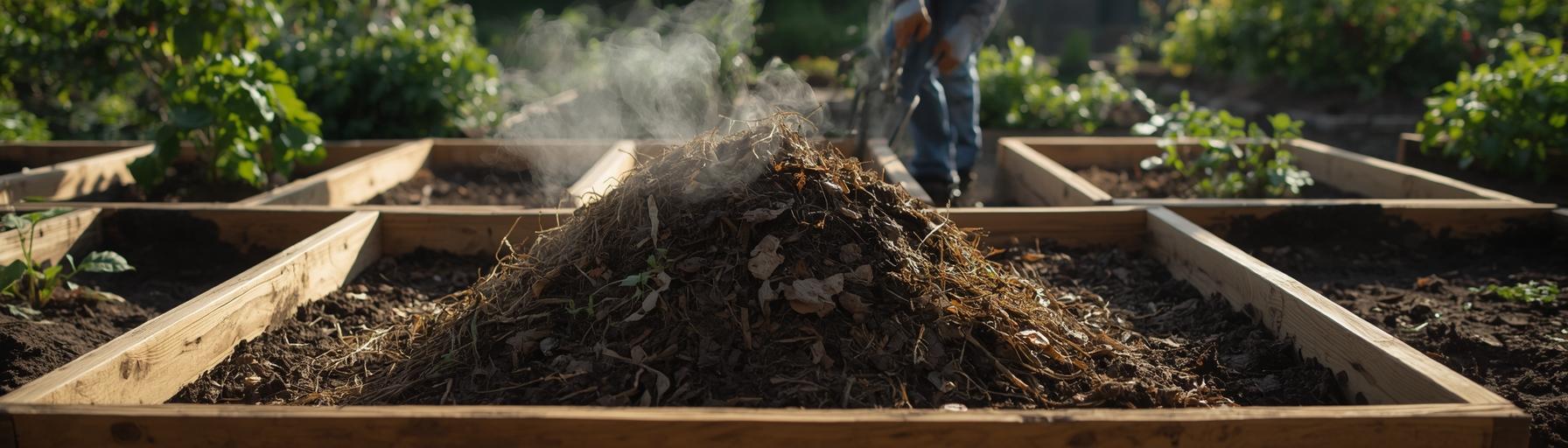
Site selection favors level ground with good drainage and partial shade to maintain moisture. Aim for a minimum pile of 1 cubic meter for stable heat generation. Layer alternating carbon and nitrogen materials to approach an initial C:N of roughly 25–30:1. Maintain moisture similar to a wrung-out sponge and monitor temperature daily: active decomposition produces 55–70°C for pathogen reduction and seed kill. Turning every 3–7 days during the active phase redistributes heat and oxygen. Use a long-stem thermometer, simple moisture squeeze tests, and visual cues to decide when to turn or add water.
Vermicomposting and Bokashi for Small Spaces
Red wiggler worms (Eisenia fetida) are the standard for indoor systems and perform well in insulated bins or stacked trays. Provide carbon bedding such as shredded paper, maintain temperatures around 10–25°C, and feed in small amounts to avoid anaerobic pockets. Harvest castings every 3–6 months using migration or light-separation techniques. Bokashi uses bran inoculated with beneficial microbes to ferment kitchen waste in sealed buckets over two weeks. Post-fermentation material requires burial or addition to a hot pile for full mineralization. Both methods excel in small urban properties; vermicompost offers immediate amendment while bokashi allows acceptance of a broader range of inputs.
Composting Systems, Monitoring, and Use in Garden
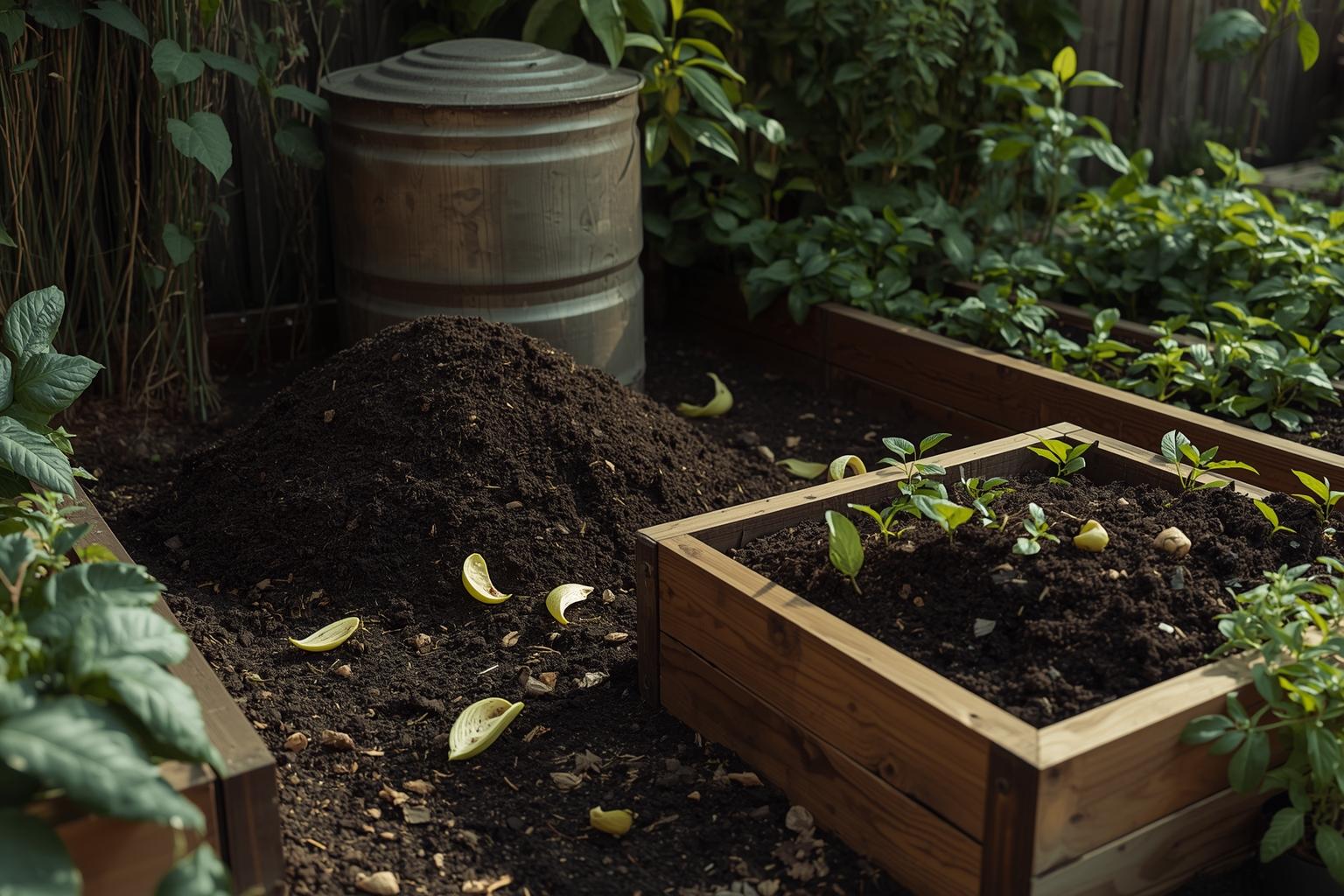
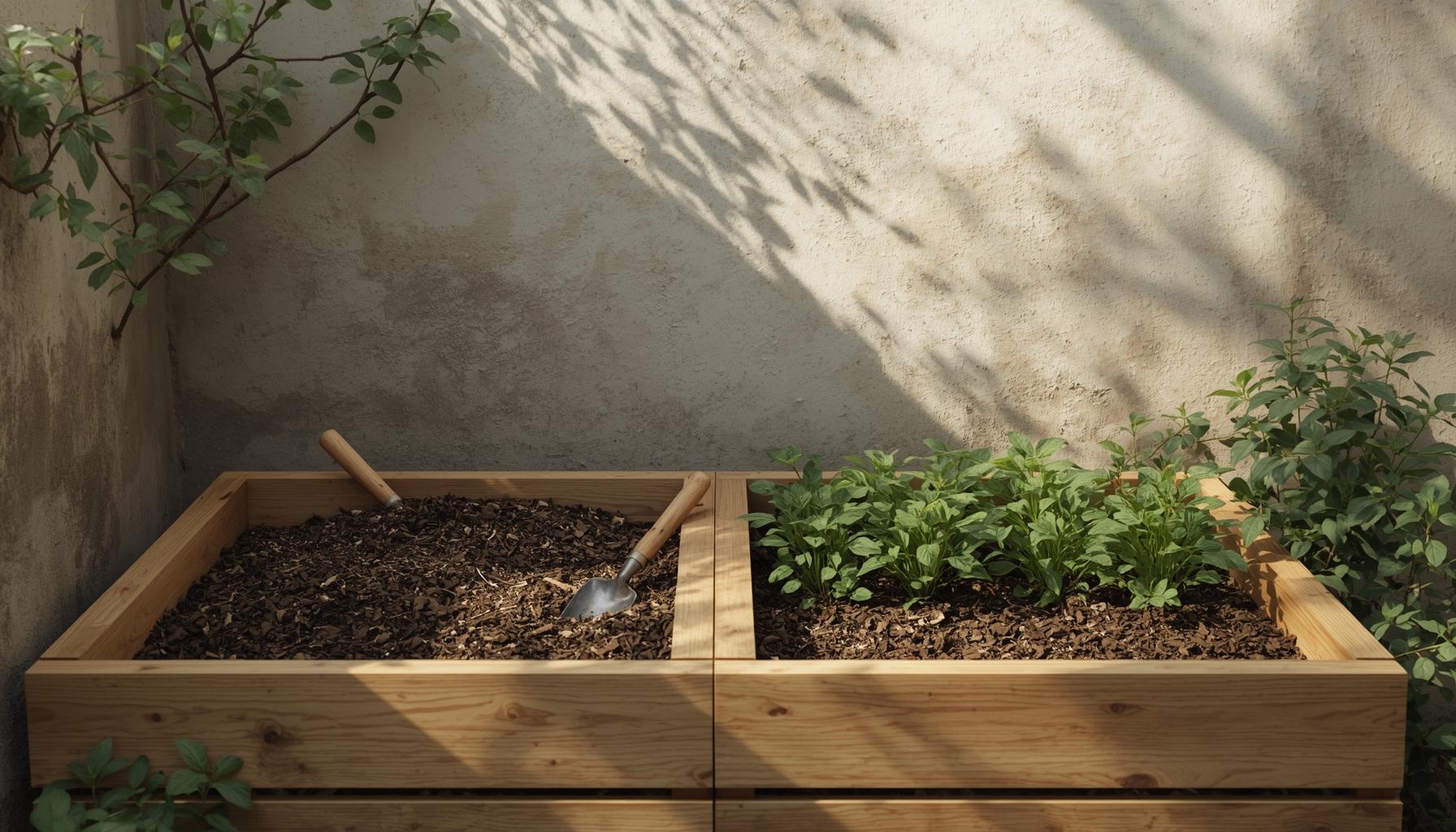
Choose systems that match aesthetic and space constraints: enclosed plastic bins, wire bays, tumblers, and DIY pallets are all viable. Tools that pay dividends include a compost thermometer, pitchfork, moisture meter, and a small shredder. Finished compost should be mature, crumbly, and earthy-smelling before widespread use. Incorporate finished material at 2–5 cm depth when preparing beds, top-dress lawns with a thin layer, or mix 10–20% by volume into potting mixes for containers. Compost extracts can be brewed for foliar feeds but should be used cautiously and diluted.
Troubleshooting, Safety, and Community Practices
Common issues include odors from anaerobic conditions, pests attracted to exposed food, and slow decomposition from compaction or imbalanced ratios. Address problems by increasing carbon, aerating, reducing particle size, or covering fresh food scraps. Handle manures and biosolids with gloves, avoid applying raw manure to leafy crops within 90 days of harvest when possible, and follow local environmental agency guidance for larger composting operations. COCA encourages shared hubs where neighbors drop organics for community processing, coordinated volunteer turning teams, and seasonal workshops that train members on safe practices. Small-scale successes include balcony worm bins producing enough castings for container herb gardens and neighborhood compost centers diverting significant weekly volumes from municipal waste streams.
Resources and Next Steps
Local extension services, municipal waste programs, and COCA workshops provide hands-on classes, regulatory references, and tool-shares. Recommended references include regional composting codes and established texts on organic soil management. For COCA members, connecting with the hub coordinator will enable participation in volunteer shifts, material exchanges, and seed-to-soil projects that multiply the benefits of individual composting efforts across the Caerhys community.