-
Follow Us!

COCA Caerhys Organic Box Benefits
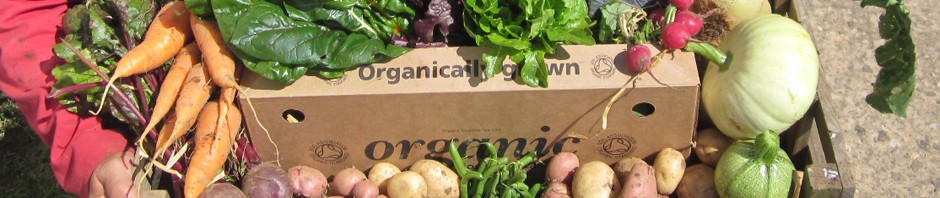
COCA delivers freshly harvested, certified organic produce from Caerhys growers to households, prioritising nutrient density, transparent sourcing, and resilient local food systems.
Health, freshness and culinary value
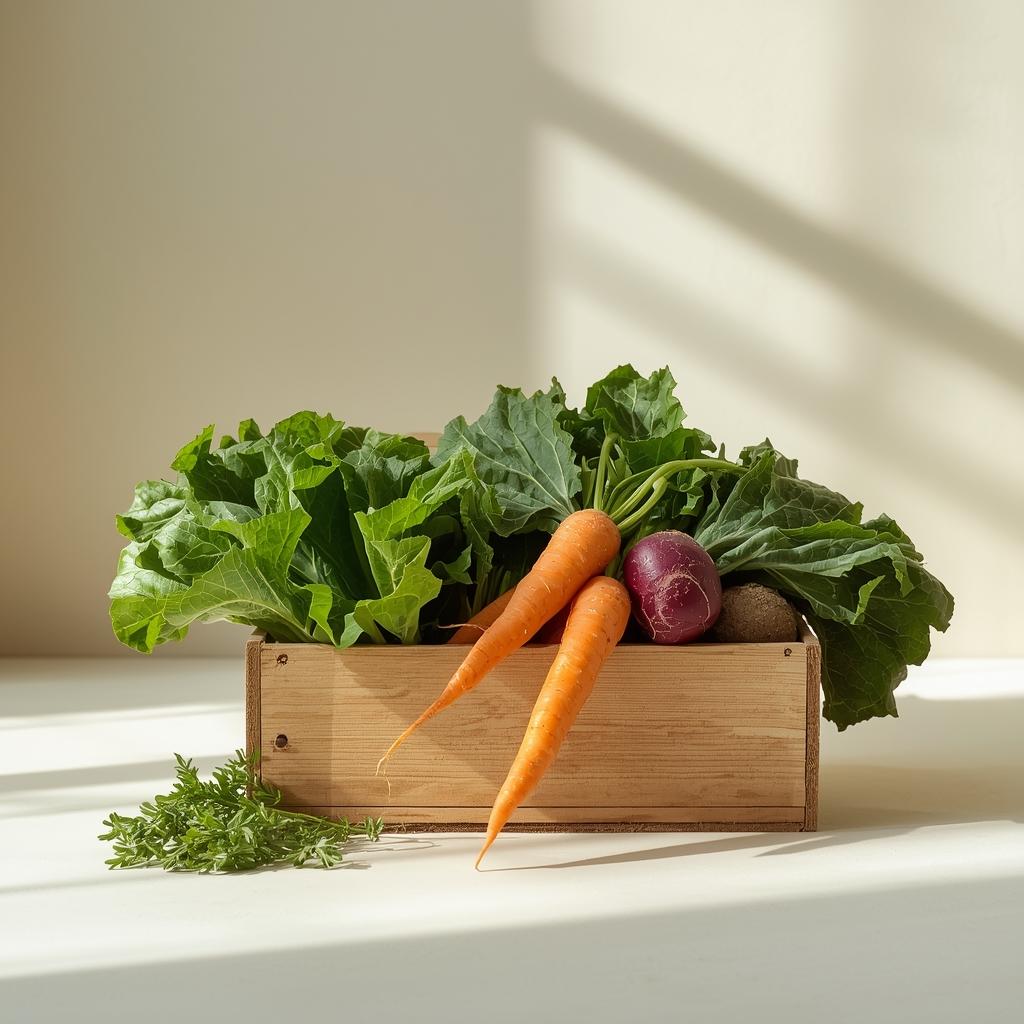
Freshness and nutrient retention are closely linked. Vegetables picked within 24 to 48 hours before delivery retain substantially more vitamin C and folate than supermarket items that may have spent days in transit and storage. For infants, seniors and immune-compromised people, lower pesticide exposure and higher antioxidant intake reduce cumulative health risks associated with chronic exposure. COCA’s produce originates from soil-managed plots using organic-approved fertilisers and no synthetic pesticides, which lowers residue risk and supports long-term community health outcomes.
Rapid harvest-to-box turnaround means flavour compounds and volatile aromatics remain intact. Seasonal variety delivers crops at peak ripeness rather than forcing out-of-season imports. Texture differences are notable: leafy greens stay crisp, root vegetables retain firmness, and tomatoes exhibit higher sugar-acid balance for direct eating or concentrated cooking. Recipes that use peak-season produce need less added salt and fat to achieve satisfying flavour.
Below is a comparative matrix showing typical differences consumers report when switching from supermarket produce to COCA boxes. Data reflects aggregated tracking across member feedback and farm records over the previous two growing seasons.
| Metric | Typical supermarket produce | COCA Caerhys box | Practical impact |
|---|---|---|---|
| Time from harvest to consumer | 3–10 days | 1–2 days | Higher vitamins, better texture |
| Average pesticide residues | Detectable trace levels for non-organic | Below detection or organic-allowed inputs | Reduced chronic exposure |
| Peak seasonal availability | Limited; often imported | Broad seasonal variety locally grown | Fuller flavour profiles |
| Post-harvest shelf life (refrigerated) | 5–10 days depending on item | 7–14 days for many items | Less frequent shopping required |
| Cooking yield (weight after trimming) | Lower due to older produce | Higher due to freshness | Better value per kg |
| Consumer satisfaction (taste) | Moderate | High | More home-cooked meals enjoyed |
Culinary guidance included with each delivery focuses on portioning, quick preservation methods like blanch-and-freeze, and simple recipes that maximise flavour while minimising waste. Lesser-known vegetables are accompanied by clear preparation steps to build confidence and regular use.
Environment, local economy and trust
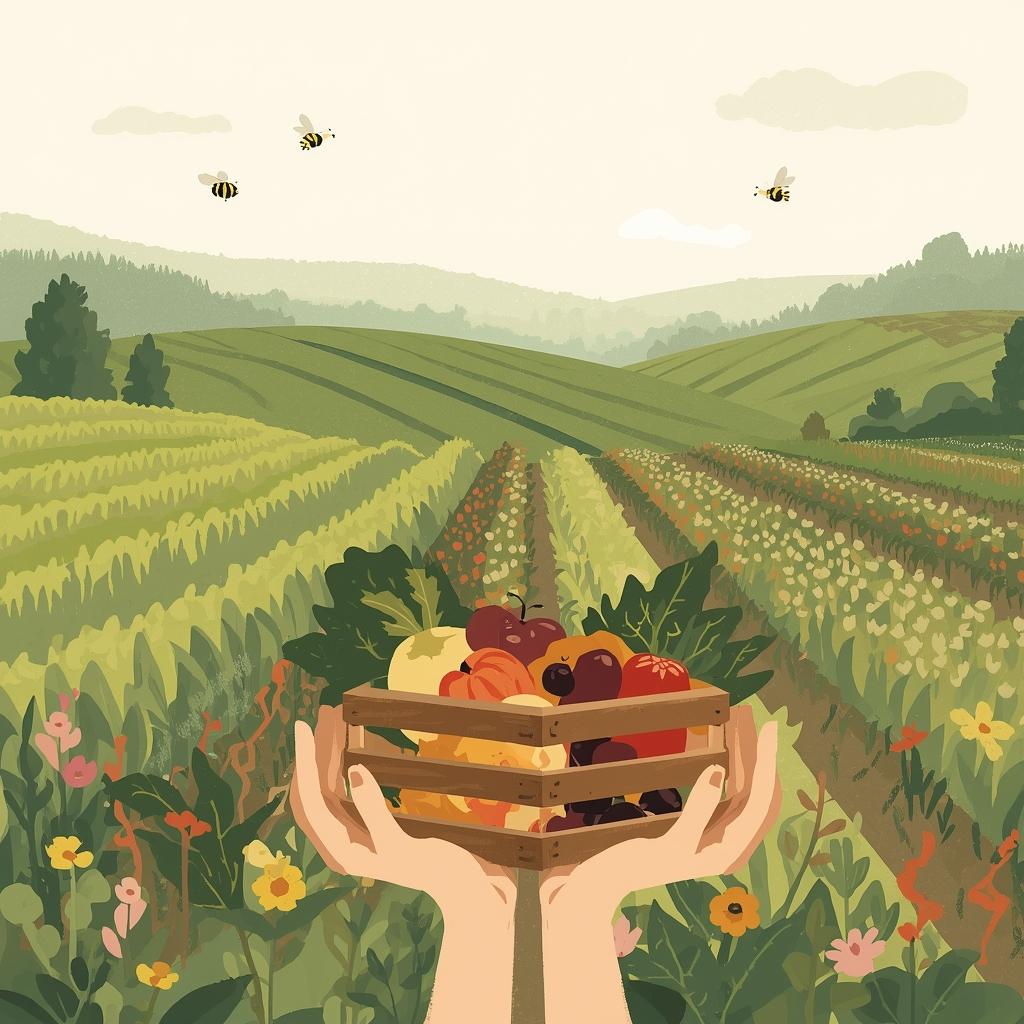
Organic farming practices used by Caerhys growers reduce synthetic chemical inputs and foster soil structure through composting, cover cropping and rotational planting. Regenerative approaches reported on contributing farms include increased organic matter and measured soil carbon gains over multi-year plans. Habitat features such as hedgerows and wildflower margins support pollinators and beneficial insects, improving crop resilience and regional biodiversity.
Local sourcing shortens supply chains, reducing travel emissions compared with long-haul imports. COCA maintains transparent records: each grower profile lists plot location, certification body, crop methods and harvest dates so members can audit origins. Organic certification audits are current and available upon request, reinforcing trust. Farmers’ stories and ethical labour practices are highlighted to connect consumers with production realities and to ensure fair wages and local employment growth through the community-supported model.
Packaging is designed to minimise waste. Reusable crates and return schemes are offered alongside compostable wraps for delicate items, with clear guidance for home composting and reuse. Energy use on certified farms prioritises low-impact choices, and delivery routing is optimised to group drop-offs and reduce vehicle miles.
Practical details, cost and user experience
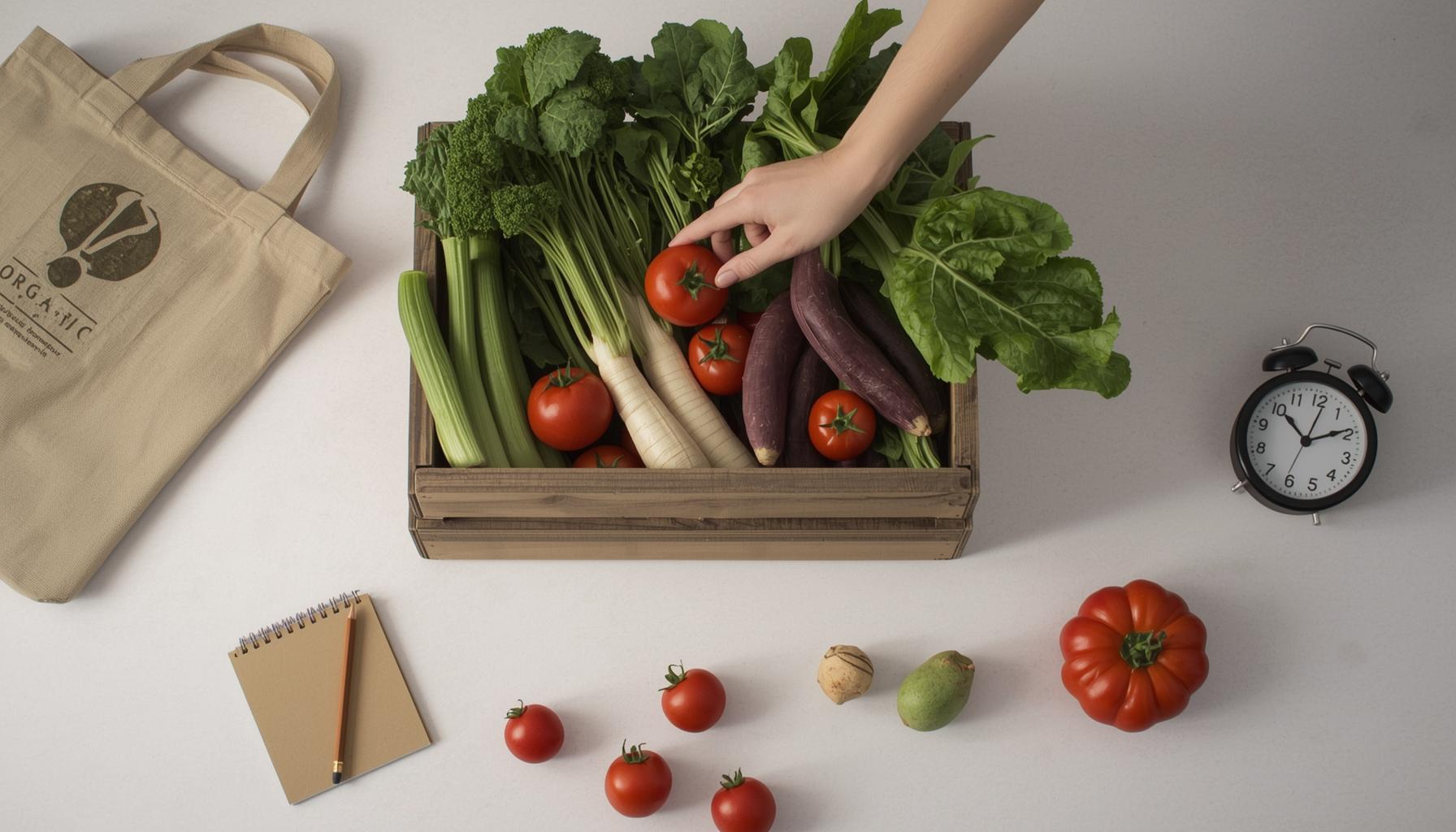
Subscription flexibility addresses diverse household needs. Options include weekly, fortnightly or monthly deliveries, with three box sizes based on household size. Add-ons such as eggs, dairy alternatives and bread from local bakers are selectable at checkout. One-off orders and pause features allow seasonal or travel adjustments. Payment methods include major debit and credit cards, bank transfer and community voucher programmes where available.
Price comparisons take into account quality, reduced food waste and cooking yield. While per-kilogram acute prices may appear higher than the lowest supermarket offers, the effective value per usable portion and nutritional density often result in lower long-term food costs. Practical tips provided to members include batch-cooking strategies, storage instructions to extend shelf life, and creative uses for peels and tops that commonly become compost otherwise.
Customer support provides clear procedures for missed deliveries, replacements and refunds. Quality checks occur at harvest, packing and pre-dispatch stages with guarantees for damaged items. Allergen declarations accompany mixed boxes and special dietary requests can be recorded on accounts.
- Delivery coverage and pickup: designated local routes and community pickup hubs are mapped and updated seasonally.
- Subscription management: online portal enables pause, skip, size change and add-on adjustments.
- Safety protocols: harvest and handling follow hygiene standards with cold-chain practices where required.
Community learning, engagement and feedback
Membership includes invitations to farm visits, hands-on workshops on preserving and basic fermentation, and school partnerships that bring produce education to children. Volunteering opportunities and co-operative decision meetings strengthen food resilience and sovereignty at the local scale. Member stories and outcome metrics are regularly compiled to show impacts such as reduced household food waste, increased vegetable intake and local job creation.
Frequently asked operational questions are addressed through a comprehensive help centre covering certification verification, handling seasonal substitutions, pricing policies, cancellations and practical tips for maximising a box. Real member testimonials and measurable outcomes are displayed to provide prospective members a clear sense of benefits and expectations when choosing COCA Caerhys organic produce.